Install Debian
This tutorial will show you how to install and configure the latest version of Nagios Core, currently 4.3.4, from sources in Debian 9.1, codename Stre. Getting Debian. Debian is distributed freely over Internet. You can download all of it from any of our mirrors. The Installation Manual contains detailed installation. How to Install Software in Debian Linux. Debian is the basis of Ubuntu, Knoppix, MEPIS, Kanotix and Aptosid. If your distro doesn't include all the software you want.
April 25, 2015 marks a new major release for the popular Debian Linux distribution. Codenamed Jessie and chalk full of upgrades, this release offers some welcomed enhancements as well as software updates. This guide will walk through both a fresh installation of this new operating system as well as an upgrade from Debian 7 ‘ wheezy‘ for those who would rather upgrade than re-install. With this new release comes quite a bit of new functionality.
One of the most welcomed changes is an updated kernel. Wheezy ( Debian 7) was still running 3.2 but now with Jessie ( Debian 8) the jump to 3.16 has brought some wonderful hardware support! Also included in this new update was the much debated Systemd and init system. The new default installation for Debian is to install Systemd which caused quite a rift in the community and lead some of Debian’s followers to leave and start a new project known as Devuan. However, Debian does retain the ability to still use different init systems and this guide will walk through how to install Debian with the older SysV init system as well as the default of Systemd.
Release Enhancements. Updated Kernel (3.16). Gem wk4 download. Mate, Cinnamon, XFCE desktop environments are available directly from the installer. Support for a wide range of architectures including PowerPC, MIPS, I386, AMD64, AArch64, and others.
Samba 4, PHP 5, Xen 4.4. New version of GIMP, LibreOffice. Tons of others that can be found here:. System Requirements. Minimum RAM: 256MB. Recommended RAM: 512MB.
Hard Drive space: 10 GB. Minimum 1GHz Pentium processor. Debian 8.0 Jessie Installation Guide This portion of the article will focus on a fresh install of Debian 8. For those wishing to simply upgrade from Wheezy, please skip to the “ Upgrading from Debian 7 (Wheezy)” section below. The installation of Debian 8 follows very closely to the installation of other variants of Debian. The big changes will be noted and displayed as the occur. First go to page.
This page will allow the user to select from the installation CD or DVD. The DVD tends to contain a Live version of Debian as well as the necessary installation utility. Be sure to pick the proper architecture for the PC on which Debian will be installed! Use dd command to copy the newly download ISO to a USB stick or use burning software to burn the ISO to a CD/DVD (software such as K3B or Nero can accomplish this task). The easiest method however is the Linux dd utility and a USB stick. The command syntax is very simply but take extra caution to make sure that the proper arguments are provided. To accomplish this, change directory to the Downloads folder.
Create Bootable USB Using dd Command dd command will not provide any feedback that anything is happening. If the USB drive has an LED indicator, look at the light and see if the light is flashing. Dd will finish and return the user to the command prompt after it completes. Be sure to safely eject/remove the drive from the machine. Linux has a tendency to cache data and write it later! Now that the flash drive is ready, it is time to put the USB drive into the computer and boot to the Debian installer. The installer will boot to a Debian splash screen that provides several options for advanced installation options.
Create Non Root User 7. After the root and non-root users are setup, the installer will attempt to download some packages from the repositories and as such, a network connection is very helpful (however, it isn’t necessary and the installer will install the base system regardless). Now the installer will prompt the user to set up the partition scheme to be used on this system. For most normal installations, the “ Guided – Use entire disk” option will suffice but do realize that this will overwrite all data on the disk!
Configure Jessie Package Repository 11. At this point the installer will prompt the user for any extra packages to install.
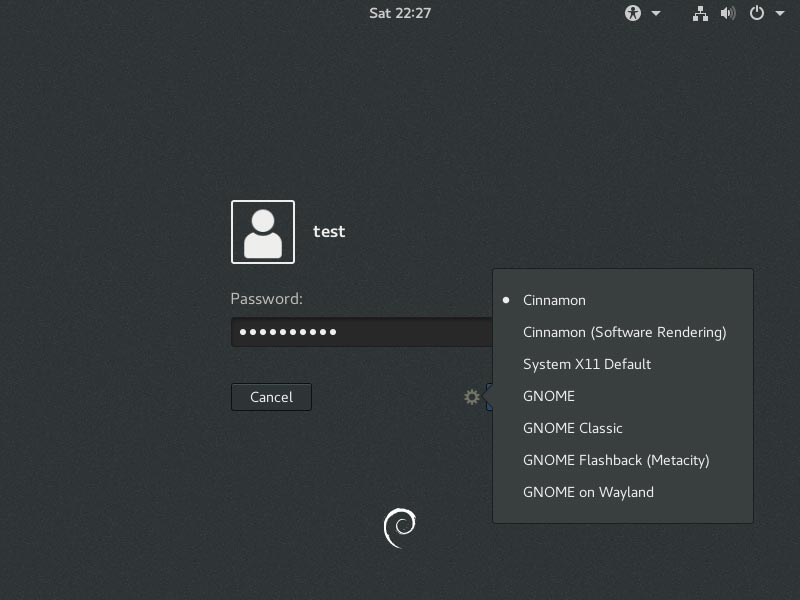
This is one of the neat changes with Jessie. While a trivial change, the system now gives the option to install quite the range of different desktop environments directly from the installer. A personal favorite is Cinnamon and it has been installed on a few of Debian systems now but do bear in mind that it does require some extra hardware resources when compared to the lightweight variants such as XFCE. Jessie Package Selection Depending on what is selected here, the installation could take several more minutes or be relatively quick.
The more options selected here, the more packages that will need to be downloaded and installed. Regardless when this finishes, the installer will ask where to install grub ( bootloader). Typically this is on ‘ /dev/sda‘ but systems due vary based on user preferences.
Once grub finishes the installer will ask to reboot into the new operating system. Click okay and remove the USB media when the machines restarts.
Install Debian
If all went well, the next screen seen will be. Debian Jessie Login Screen Welcome to Debian 8 ‘ Jessie‘! Time to log in, update any new packages, install more packages, and customize the new Operating System. It is recommended that users do check for new updates even after a fresh install as there may be some security fixes in the repositories that aren’t yet in the ISO file downloaded. To do this update, issue the following commands as root or with the ‘sudo’ utility: # apt-get update # apt-get upgrade Enjoy the new fresh install of Debian 8! Rob Turner He is an Instructor of Computer Technology with Ball State University where he currently teaches all of the departments Linux courses and co-teaches Cisco networking courses. He is an avid Debian user as well as many of the derivatives of Debian such as Mint, Ubuntu, and Kali.
Rob holds a Masters in Information and Communication Sciences as well as several industry certifications from Cisco, EC-Council, and Linux Foundation. Your name can also be listed here.
To become an TecMint author.
April 25, 2015 marks a new major release for the popular Debian Linux distribution. Codenamed Jessie and chalk full of upgrades, this release offers some welcomed enhancements as well as software updates. This guide will walk through both a fresh installation of this new operating system as well as an upgrade from Debian 7 ‘ wheezy‘ for those who would rather upgrade than re-install. With this new release comes quite a bit of new functionality. One of the most welcomed changes is an updated kernel. Wheezy ( Debian 7) was still running 3.2 but now with Jessie ( Debian 8) the jump to 3.16 has brought some wonderful hardware support!
Also included in this new update was the much debated Systemd and init system. The new default installation for Debian is to install Systemd which caused quite a rift in the community and lead some of Debian’s followers to leave and start a new project known as Devuan. However, Debian does retain the ability to still use different init systems and this guide will walk through how to install Debian with the older SysV init system as well as the default of Systemd.
Release Enhancements. Updated Kernel (3.16).
Mate, Cinnamon, XFCE desktop environments are available directly from the installer. Support for a wide range of architectures including PowerPC, MIPS, I386, AMD64, AArch64, and others. Samba 4, PHP 5, Xen 4.4. New version of GIMP, LibreOffice. Tons of others that can be found here:. System Requirements.
Minimum RAM: 256MB. Recommended RAM: 512MB. Hard Drive space: 10 GB. Minimum 1GHz Pentium processor. Debian 8.0 Jessie Installation Guide This portion of the article will focus on a fresh install of Debian 8. For those wishing to simply upgrade from Wheezy, please skip to the “ Upgrading from Debian 7 (Wheezy)” section below.

Install Debian Sid
The installation of Debian 8 follows very closely to the installation of other variants of Debian. The big changes will be noted and displayed as the occur. First go to page. This page will allow the user to select from the installation CD or DVD. The DVD tends to contain a Live version of Debian as well as the necessary installation utility. Be sure to pick the proper architecture for the PC on which Debian will be installed! Use dd command to copy the newly download ISO to a USB stick or use burning software to burn the ISO to a CD/DVD (software such as K3B or Nero can accomplish this task).
The easiest method however is the Linux dd utility and a USB stick. The command syntax is very simply but take extra caution to make sure that the proper arguments are provided. To accomplish this, change directory to the Downloads folder. Create Bootable USB Using dd Command dd command will not provide any feedback that anything is happening. If the USB drive has an LED indicator, look at the light and see if the light is flashing. Dd will finish and return the user to the command prompt after it completes.
Be sure to safely eject/remove the drive from the machine. Linux has a tendency to cache data and write it later! Now that the flash drive is ready, it is time to put the USB drive into the computer and boot to the Debian installer. The installer will boot to a Debian splash screen that provides several options for advanced installation options. Create Non Root User 7.
After the root and non-root users are setup, the installer will attempt to download some packages from the repositories and as such, a network connection is very helpful (however, it isn’t necessary and the installer will install the base system regardless). Now the installer will prompt the user to set up the partition scheme to be used on this system. For most normal installations, the “ Guided – Use entire disk” option will suffice but do realize that this will overwrite all data on the disk! Configure Jessie Package Repository 11. At this point the installer will prompt the user for any extra packages to install. This is one of the neat changes with Jessie. While a trivial change, the system now gives the option to install quite the range of different desktop environments directly from the installer.
Install Debian On Virtualbox

A personal favorite is Cinnamon and it has been installed on a few of Debian systems now but do bear in mind that it does require some extra hardware resources when compared to the lightweight variants such as XFCE. Jessie Package Selection Depending on what is selected here, the installation could take several more minutes or be relatively quick.
The more options selected here, the more packages that will need to be downloaded and installed. Regardless when this finishes, the installer will ask where to install grub ( bootloader). Typically this is on ‘ /dev/sda‘ but systems due vary based on user preferences.
Once grub finishes the installer will ask to reboot into the new operating system. Click okay and remove the USB media when the machines restarts. If all went well, the next screen seen will be. Debian Jessie Login Screen Welcome to Debian 8 ‘ Jessie‘! Time to log in, update any new packages, install more packages, and customize the new Operating System. It is recommended that users do check for new updates even after a fresh install as there may be some security fixes in the repositories that aren’t yet in the ISO file downloaded.
To do this update, issue the following commands as root or with the ‘sudo’ utility: # apt-get update # apt-get upgrade Enjoy the new fresh install of Debian 8! Rob Turner He is an Instructor of Computer Technology with Ball State University where he currently teaches all of the departments Linux courses and co-teaches Cisco networking courses. He is an avid Debian user as well as many of the derivatives of Debian such as Mint, Ubuntu, and Kali. Rob holds a Masters in Information and Communication Sciences as well as several industry certifications from Cisco, EC-Council, and Linux Foundation. Your name can also be listed here. To become an TecMint author.